Hao Mart founder sets January repayment target as bungalow foreclosure halts
Dr Tan Kim Yong says funding support will enable redemption by January 29, 2027. His and his wife’s home backed a S$66.2 million loan linked to Taste Orchard.
Published 2026-11-02 · 5 min read
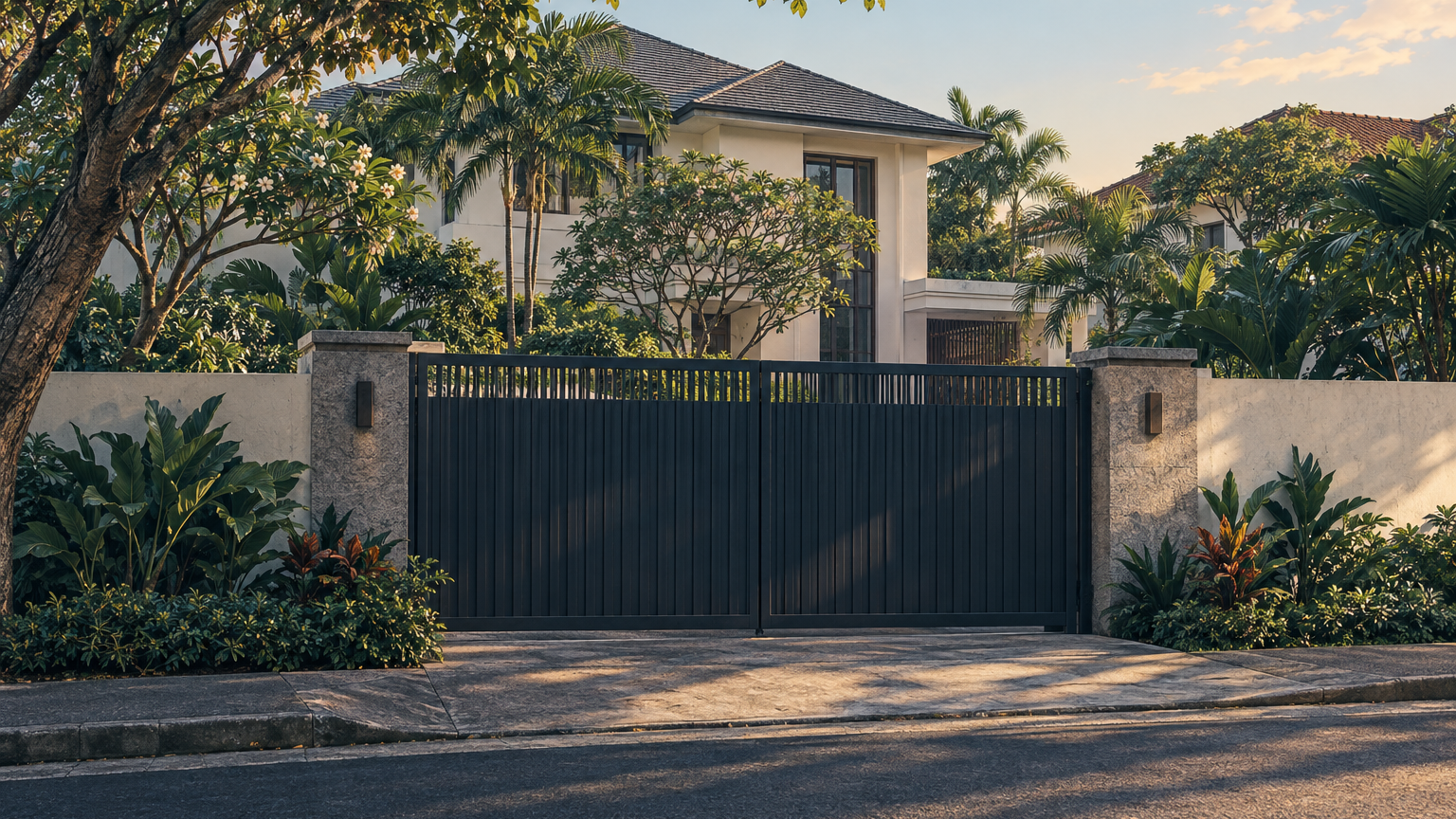
Hao Mart founder Dr Tan Kim Yong has reportedly halted foreclosure of his Jervois Hill bungalow, saying he has funding support and will redeem its mortgage by January 29, 2027. The development was reported on October 29, 2026; repayment remains a stated plan rather than a completed outcome.
The home, at the combined address of 17 and 19 Jervois Hill, belongs to Tan and his wife and backed a S$66.2 million loan from department store operator OG. The borrowing was linked to raising funds for food-themed mall Taste Orchard—putting the couple’s residential property at the centre of a business-financing dispute.
What changed in October?
Reporting on October 5 described Tan and his wife resisting OG’s foreclosure effort over properties mortgaged to raise funds for Taste Orchard. The October 29 update reported a halt after Tan said he had funding support and would redeem the mortgage by the January date.
The practical focus is now the proposed repayment. In this context, redeeming the mortgage means repaying the borrowing to release the home from that mortgage, rather than selling the bungalow to a new owner. The reported funding support is therefore important to the home’s future, but it is not itself confirmation that repayment has happened.
The clearest next milestone is Tan’s stated January 29, 2027 redemption date, rather than a verified settlement or completed discharge of the mortgage.
How the mall financing reached the couple’s home
The lending arrangement dates to August 4, 2023. OG entered into a facility agreement—the agreement setting out the lending arrangement—with Tan as borrower. The reported S$66.2 million loan resulted in a mortgage over the couple’s residential property, described as a Good Class Bungalow, or GCB.
Those roles are worth separating. OG was the lender, Tan was the named borrower, and the home belonged to Tan and his wife. The reporting connects the mortgaged property to money raised for Taste Orchard. It identifies the parties and the residential security, without establishing every term or purpose of the facility.
For landed owners, that is the distinctive feature of this case: the purpose of the borrowing and the property supporting it were different. A commercial venture supplied the reason for raising funds, while residential property supplied the security. That connection explains why a dispute involving the mall reached the couple’s home.
What the S$66.2 million actually tells you
The large number beside the Jervois Hill address describes secured borrowing, not an assessed market value or transaction price. The account identifies S$66.2 million as the loan extended under the agreement. It does not identify that sum as what a buyer offered or paid for the bungalow.
This matters if you are following landed prices nearby. A loan amount answers a financing question: how much was lent under the arrangement? A completed-sale price answers a different question: what did a buyer pay? Substituting the first for the second would create a neighbourhood price comparison that this record does not support.
A separate S$57.5 million figure appears in reporting about disputed redemption arrangements. OG’s reported position was that it had not agreed to redemption for that amount and that the sum would not cover the S$66.2 million principal. It should therefore be read as a contested repayment figure, not an agreed settlement or bungalow valuation.
Separate the financing, title and planning checks
For a landed owner or buyer reading this case, start by identifying what each record actually establishes. The lending account names Tan as borrower and identifies the couple’s property as the mortgage security. The business-funding account explains the Taste Orchard connection. Read together, those records explain the bungalow’s involvement without turning the loan into a property valuation.
The ownership and security questions come before a price comparison: whose property is involved, which borrowing it supports, and whether the reported mortgage redemption has been completed. In this case, the reporting answers the first two and gives Tan’s stated date for the third. It does not confirm a completed discharge.
Planning is a separate check again. URA describes a bungalow as a detached landed house with its own land title and says development depends on requirements including plot size, plot width and site coverage. Its handbook advises checking proposals with URA through enquiries or development applications, because circumstances and planning considerations can affect what is allowed. A GCB description in a financing report is therefore no substitute for checking the land and the actual proposal.
The reporting supplies no verified site area, tenure or property-specific planning approval for this address. Those gaps matter when assessing land value or a rebuilding proposal; they do not change the reported October event. For the bungalow’s mortgage position, the next stated milestone remains 29 January 2027. Confirmation of redemption, a planning decision and an eventual sale price would be different records answering different questions.