State house near Botanic Gardens reportedly offered on two-year lease
The reported 15 Ross Avenue tenancy offers 9,418 sq ft of land—but not the rebuilding freedom or permanence of ownership.
Published 2026-10-19 · 5 min read
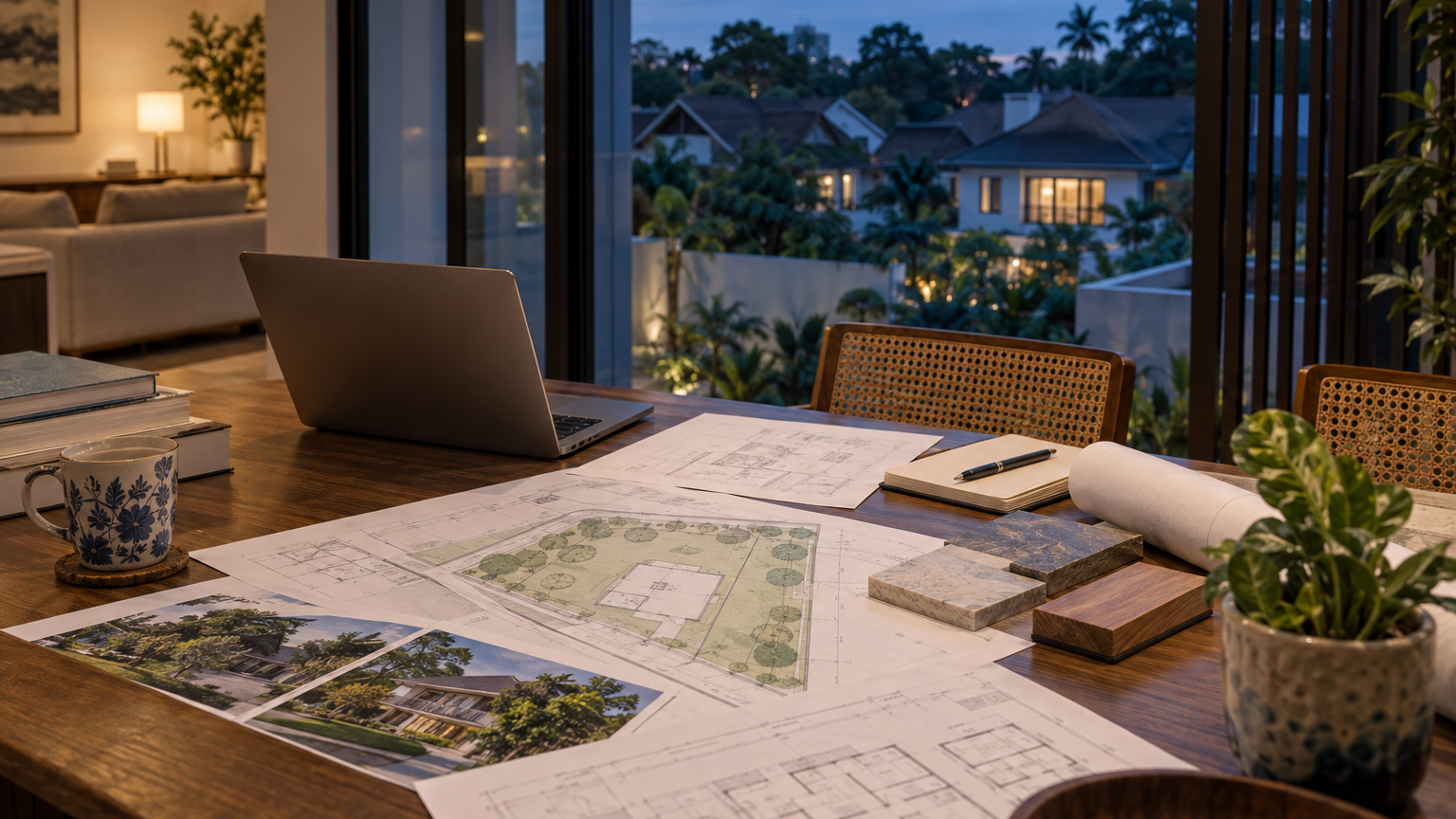
A State-owned house at 15 Ross Avenue, near the Singapore Botanic Gardens, was reported on 18 October 2026 as being offered for residential use under a two-year lease. The unusual part is not simply the location: the reported 9,418 sq ft site offers the experience of a large landed home, but only for a limited period and without the control that comes with owning the land.
The two-storey house reportedly has 3,208 sq ft of floor area and period details including high ceilings, decorative grilles, balcony railings, a verandah and a balcony. For prospective tenants, the central choice is whether that space and character are worth taking on a short State tenancy whose property-specific rent, deadline and detailed conditions have not been established in the available evidence.
A large site, but not a landed purchase
The reported land area is almost 2.9 times the house’s floor area, based on a simple comparison of 9,418 sq ft with 3,208 sq ft. That ratio helps convey the sense of space, although it is not a measure of site coverage because the stated floor area is spread across two storeys.
For a household, the appeal could be quite practical: more outdoor space, separation from neighbouring homes and the chance to live in an older house close to the Botanic Gardens. The reported architectural details also distinguish it from a conventional modern rental.
But the land figure must be read as living context, not redevelopment value. This is a reported residential tenancy, not a sale of a landed plot. A tenant may enjoy the grounds during the lease, but does not acquire the land, a saleable tenure or an owner’s ability to decide whether the house should be rebuilt.
That difference matters particularly to landed-home readers accustomed to assessing plots through frontage, planning controls and rebuilding potential. Those questions may be central to a purchase, but they do not turn a two-year tenancy into a redevelopment opportunity.
Two years changes the household calculation
A two-year term can suit someone who needs a substantial temporary home—for example, while another property is being renovated or while a family’s longer-term plans remain unsettled. It can be less comfortable for a household hoping to put down roots, undertake extensive works or avoid another move in the near future.
The lease length also affects how much effort and money a tenant may sensibly put into the property. Even modest improvements look different when their benefit must be enjoyed within a fixed period. Furniture, air-conditioning, internet installation, garden upkeep and moving costs can all matter more when there is no verified renewal option.
The official property documents would therefore need to answer several practical questions before anyone could properly assess the opportunity: the rent, allocation method, application deadline, deposit, maintenance obligations, reinstatement requirements and whether any renewal is possible. None of those property-specific terms should be assumed from the reported two-year period alone.
Character does not mean freedom to alter
Singapore Land Authority’s general guidance says State-property tenancies are typically used as interim arrangements. It also says additions and alterations require prior written approval from SLA and the relevant authorities, while subletting requires SLA’s written consent.
Those are general conditions rather than a property-specific ruling for 15 Ross Avenue. They nevertheless highlight an important difference between occupying a characterful State house and owning a private landed home: even changes intended to make the place more comfortable may require approval.
Prospective tenants should not assume that an older house can be extensively modernised, reconfigured or extended. Nor should the reported description of the house as “heritage” be treated as proof of a formal conservation designation; that would require confirmation from the official property documents or relevant authority.
The practical questions are consequently quite specific. Can air-conditioning systems be added or replaced? Who handles repairs to older building elements? What must be restored when the tenancy ends? Are alterations to the garden, grilles or internal layout allowed? The answers could materially change the cost and convenience of living there.
The missing document matters
The underlying live listing and tenancy documents for 15 Ross Avenue were not independently retrievable from the available evidence. That leaves the address, dimensions, architectural description and two-year term dependent on a single report, even though they are presented there as details of an SLA offering.
This limitation does not turn the story into a general lesson about Botanic Gardens rents. No comparable rental evidence has been verified, and there is no sound basis here for estimating what the house should command or comparing it with privately owned landed homes nearby.
What can be said is narrower and more useful. The reported offering presents an uncommon housing choice: a large State-owned house with period character, available for occupation rather than ownership. Its extensive grounds may be the attraction, but the decisive details will sit in the lease—especially the rent, repair responsibilities, permitted works and what happens after two years.
Until those property-specific documents are available, prospective tenants should view 15 Ross Avenue as an intriguing but still incompletely documented rental opportunity. The space is easy to appreciate; the obligations and limits are what will determine whether it works as a home.